有良多人看到标题问题不晓得康德是谁,康德是德国闻名的哲学家,为了哲学康德毕生未娶,康德也是星云说的建立者之一,那末康德的说过的名言都有哪些?都有哪些哲学事理呢?上面进修力为您带明晰30句康德说过的英语名言,请参考。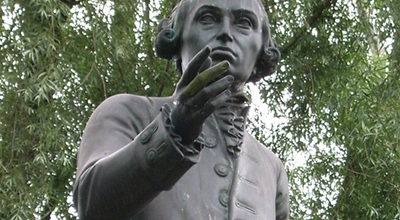 1、一小我不决定信念,第二天都不想起床。 A person have no confidence, all don't want to wake up the next day。 2、天赋是借鉴法例的人。 The principles of genius is created。 3、贪是人类心里对外界无尽头的愿望。 Greed is the human heart endless desire to the outside world。 4、发怒,是用别人的毛病来赏罚本身。 Angry, is using someone else's mistake to punish oneself。 5、美是品德的意味。 Beauty is the symbol of morality。 6、要评判美,就要有一个有涵养的心灵。 To judge the United States, there must be a has the tutelage of the mind。 7、一小我的错误谬误来自他的时期,他的美德和巨大却属于本身。 One's weakness from his age, his virtue and great was their own。 8、哲学没法传授,哲学永久是思惟者的奇迹。 Cannot, a professor of philosophy is always a thinker's career。 9、自在不是想干甚么就干甚么,而是想不干甚么就不干甚么。 Freedom is not want to do, but don't think don't do anything。 10、三样东西有助于减缓性命的辛勤:但愿,就寝和浅笑。 Three things help to ease the pains in life: hope, sleep and smile。 11、能充分心灵的东西,乃是闪灼着星星的苍穹,和我心里的品德律。 Can enrich the mind, but the twinkling stars in the firmament, and the moral law inside of me。 12、一小我说出来的话必须是真的,可是他不须要把他晓得的都说出来。 A man say it must be true, but he didn't need to say he knows。 13、大海之以是巨大,除它斑斓、壮阔、开阔外,另有一种自我污染的功效。 The sea is great, besides its beautiful, magnificent, magnanimous, there is a self purification function。 14、位我上者,残暴星空;品德律令,在我心中。 My superiors, bright stars; Moral imperative, in my heart。 15、自在不是让你想做甚么就做甚么,自在是教你不想做甚么,便能够不做甚么。 Freedom is not letting you do whatever I like, what is free to teach you don't want to do, you can not do。 16、诚笃比统统智谋更好,并且它是智谋的根基前提。 Honesty is better than all the ingenuity, and it is the basic condition of ingenuity。 17、一个行动的品德行不取决于它的成果,而仅仅取决于该行动眼前的企图。 The morality of an act does not depend on its results, but only depends on the intent behind the action。 18、有两样东西,对它们的盯凝愈深邃深挚,在我心里唤起的畏敬与赞叹就愈激烈,这便是:头顶上的星空和心中的品德律。 Look for them there are two things that the more deep, in my heart arouse awe and admiration of the more strong, that is: the starry heavens above and the moral law。 19、咱们越是忙越能激烈地感应咱们是在世,越能认识到咱们性命的存在。 The more busy the more can we felt strongly that we are alive, can realize the existence of our lives。 20、越是挖空心思地想获得糊口上的温馨和幸运,那末这小我就越是得不到真实的知足。 The more deliberately want comfort and happiness in life, so this man the more I can not get real satisfaction。 21、既然我已踏上这条途径,那末,任何东西都不应故障我沿着这条路走下去。 Now that I have set foot on the road, so, nothing should prevent me to go along this road。 22、一杯水是清亮的,而海水倒是玄色的。就像小的事理能够申明,真实的大事理倒是缄默的。 A glass of water is clear, and the water of the sea is dark。 Like a small reason can explain, the real truth is silent。 23、天下上只需两样东西是值得咱们深深钦慕的,一个是咱们头上的残暴星空,另外一个是咱们心里的高尚品德法例。 Only two things in the world is worth deeply admire, a bright star is our head, another is our lofty moral law within。 24、有两件事物越思虑就越感觉震动与畏敬,那便是我头上的星空和我心中的品德原则。 There are two things, the more think more feel shock and awe, that is my head of the stars and the moral standard in my heart。 25、品德确切不是指点人们若何使本身幸运的教条,而是指点人们若何配享有幸运的学说。 Morality does not guide people how to make the doctrines of his own happiness, but how to guide people to be worthy of happiness。 26、感性一手拿着本身的道理,一手拿来着按照阿谁道理研讨出来和尝试,奔赴天然。 The principle of rationality in one hand his hand brought forth according to the principle of the study and experiment, to the nature。 27、良知是一种按照品德原则来判定本身的天性,它不可是一种能力;它是一种天性。 Good conscience is a kind of according to the code of ethics to determine their own instincts, it's not just a kind of ability; It is a kind of instinct。 28、咱们一切的常识都起头于感性,而后进入到知性,最初以感性了结。不比感性更高的东西了。 We all started in the perceptual knowledge, and then into the intellectual, finally ended in rationality。 Nothing is higher than rational。 29、那最崇高长久而又日月牙异的,那最让咱们感应诧异和震动的两件东西,是天上的星空和咱们心中的品德律。 The most sacred permanent and with each passing day, the most surprise us and shake the two things, is in the sky the stars and the moral law of our heart。 30、老年时像青年时一样高欢快兴吧!青年,比如百灵鸟,有他的晨歌;老年,比如夜莺,应当有他的夜曲。 Old age like youth happily! Youth is like the lark, had his morning song; Old age is like the nightingale, there should be his nocturnes。. 天下食粮日由来 1979年11月,第20届结合国粮农构造大会抉择肯定,1981年10月16日(结合国粮农构造建立记念日)是首届天下食粮日,尔后每一年的这一天都作为“天下食粮日”,其主旨在于唤起全天下对成长食粮和农业出产的高度正视。 康德的简介 伊曼努尔·康德(1724年4月22日—1804年2月12日)德国哲学家、地理学家、星云说的建立者之一、德国古典哲学的开创人,是唯物主义、不可知论者,德国古典美学的奠基者。 康德诞生在德国东部一个名叫哥尼斯堡的小镇,与同时期漫游天下各地的其余学者差别,康德平生几近不分开过故乡,也毕生未娶、孤傲终老。 康德把德国人逻辑上的松散性、思辩上的周到性阐扬到了极致。他的著述极为的艰涩难明,他习气把一个简略陈说用出格松散、周到的体例抒发出来,固然这类抒发体例非常客观公道、不歧义,但对读者而言确切是一个不太愉悦的浏览休会,这也便是为甚么他的第一部巨著《纯洁感性批评》出书时置之不理的缘由。 康德所处的时期恰是东方近代迷信和人文精力飞速成长的时期,也是深陷危急的时期。他的实际以批评哲学著称,用《纯洁感性批评》阐释清晰了天然迷信的定律,用《理论感性批评》论证阐发了人文品德的原则。 康德修桥赶路的故事 1779年,德国哲学家康德打算到一个名叫珀芬的小镇,访问伴侣威廉。彼特斯。解缆前,他写信给彼特斯,将于3月2日上午11时达到。 康德是3月1日达到珀芬的,第二天早上,他租了一辆马车。 伴侣住在离小镇18千米远的一个农场,小镇和农场隔了一条河。马车离开河滨,车夫说:“师长教师,不能再往前走了,由于桥坏了。” 康德下了马车,看了看桥,发现中心己经经断裂。河固然不宽,可是,水很深,并且结了冰。 “四周另有别的桥吗?”他焦炙地问。 “有,师长教师。”车夫说,“在下游9千米的处所,另有一座桥。” 康德看了一下怀表,巳经是上午10时。 “若是走那座桥,咱们甚么时辰能够达到农场?” “估量要到12时30分。” “若是咱们颠末眼前的这座桥,最快能在甚么时候到?” “不到40分钟。” 康德跑到河滨的一座农舍,向仆人探问,“叨教,你的那间破屋要几多钱才肯出卖?” “为甚么?”农民一惊。” “您情愿不情愿?” “给200法郎吧。” 康德付了钱,说“若是您顿时从破屋拆下几根长的木条,在20分钟内把桥修睦,我将把破屋还给您。” 农民把两个儿子叫来,定时实现了使命。 马车疾速地过了桥,在乡下公路上飞驰,10时50分,赶到了农场。 在门口迎候的彼德特斯欢快地说:“敬爱的伴侣,您真定时。” |
热点搜刮:一句话名言 名言警语